
Specialised Acupuncture
Targeted Support for Neurological, Pain and Complex Conditions
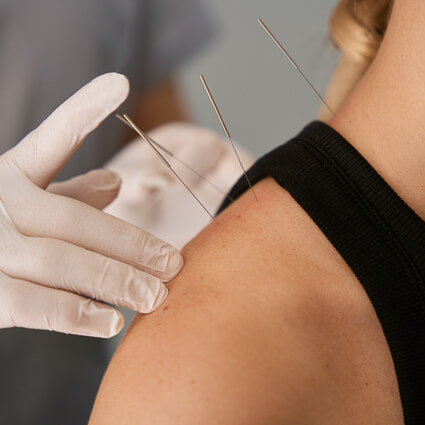 Specialised acupuncture is a tailored style of treatment that combines different acupuncture techniques to suit your individual needs. It is often used to support people with neurological concerns, long‑standing pain, movement or balance issues, and symptoms that have not fully responded to standard care.
What is specialised acupuncture and how does it work?
Specialised Acupuncture is a personalised style of care that combines different acupuncture methods, including scalp‑focused techniques and body acupuncture, chosen to suit your specific condition and goals. It recognises that no two people, or two nervous systems, are the same, so point selection and needling style are adapted each session.
Your practitioner may draw on:
- Scalp‑based techniques that work with zones on the head related to movement, sensation and pain processing
- Traditional body acupuncture based on meridians and channel theory
- Modern, neuro‑focused approaches that support the brain and nervous system
- Gentle local needling to address muscle tension, trigger points and circulation
These methods are blended into one integrated treatment plan rather than used in isolation. The aim is to support your body’s own healing mechanisms, improve communication along nerve pathways and help reduce pain, tension or neurological symptoms over time.

Who specialised acupuncture may help
People commonly seek Specialised Acupuncture for:
- Recovery after stroke or brain injury (weakness, stiffness or coordination changes)
- Facial nerve conditions such as Bell’s palsy or facial weakness
- Parkinson’s disease and other movement or tremor disorders
- Numbness, tingling or altered sensation from nerve irritation or damage
- Chronic headaches, migraines and complex pain conditions
- Dizziness, balance issues or other neurological symptoms
- Long‑standing pain and tension that have not responded well to standard approaches
Responses vary between individuals and results cannot be guaranteed, but many people find this tailored style helpful as part of a broader care plan. Your practitioner will assess whether this approach is right for you.
What to expect in your appointment
Every session is individual, but may include:
- A conversation about your current symptoms, medical history and goals
- Physical and, where relevant, simple neurological‑style checks (such as strength, balance or movement tests)
- Selection of a treatment plan that may use scalp points, body points, or a combination of techniques
- Placement of very fine, single‑use needles at carefully chosen locations
- Gentle stimulation of some needles during the session, which may feel like tingling, warmth, heaviness or mild achiness
- Guidance on simple movements, facial expressions or breathing practices to help engage brain‑body connections, where appropriate
- Brief discussion at the end of the session about any immediate changes and suggestions for follow‑up care
Most people feel comfortable enough to relax on the table, and some notice shifts in how an area feels or moves during or soon after treatment.
Frequently asked questions
How is specialised acupuncture different to normal acupuncture?
How many sessions will I need?
What should I expect during my first session?
